The Additions of Ultherapy: What You Need to Understand About This Non Surgical Lift Solution
Ultherapy sticks out as a popular non-surgical lift choice, leveraging ultrasound modern technology to improve skin firmness. This procedure not just targets different areas yet likewise accommodates a wide age range. Patients usually seek it for its marginal downtime and prompt benefits. Nonetheless, recognizing the complexities of Ultherapy-- from therapy areas to candidateship-- is necessary for anyone considering this restoration approach. What are the key factors to review before proceeding?
What Is Ultherapy and How Does It Work?
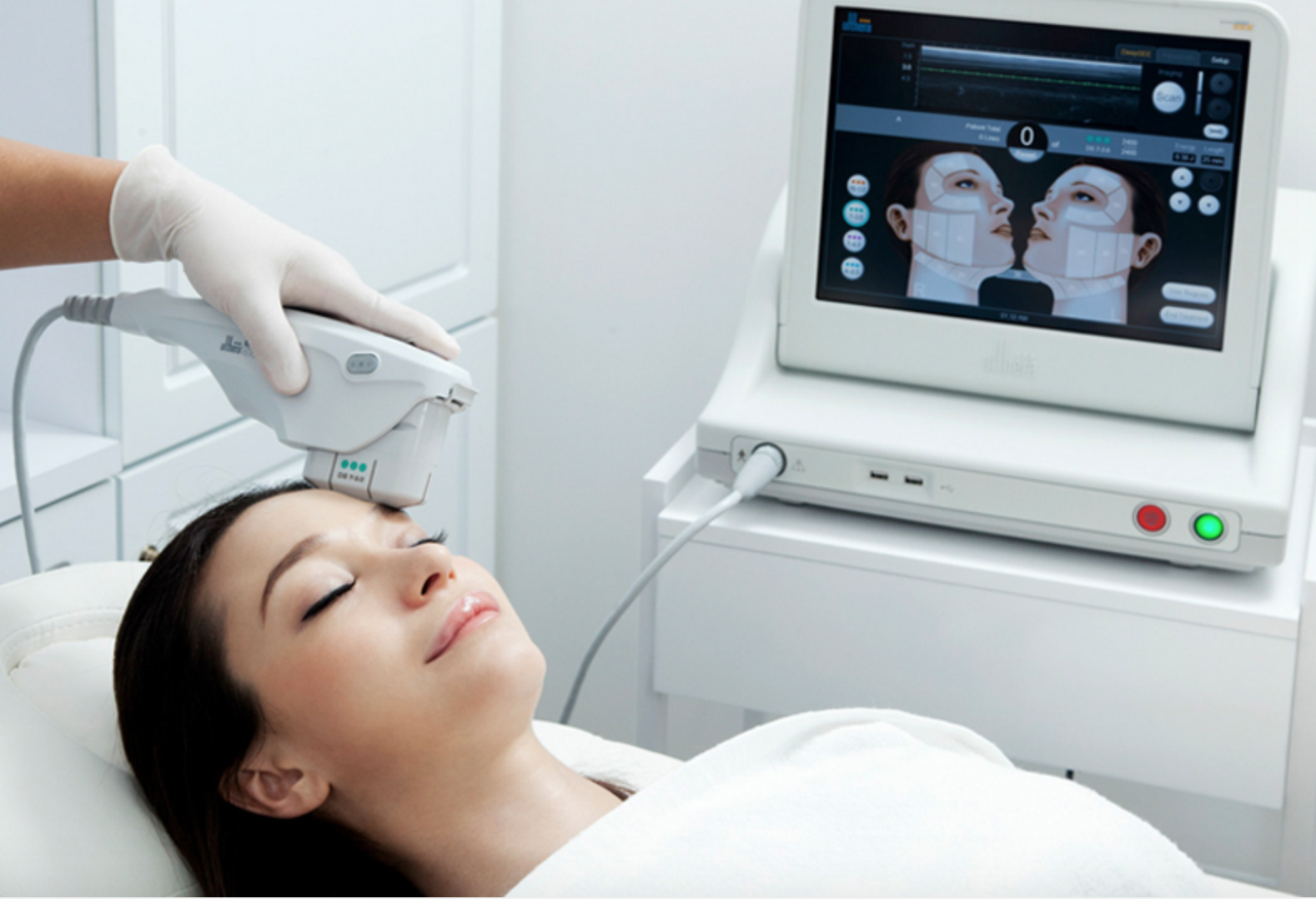
Ultherapy is a non-invasive cosmetic treatment that makes use of ultrasound innovation to stimulate collagen manufacturing in the skin. Approved by the FDA, it targets the much deeper layers of the skin, particularly the foundational layer generally addressed in plastic surgery. During the treatment, a handheld tool provides focused ultrasound power to boost the skin, triggering an all-natural healing feedback. This procedure motivates the manufacturing of new collagen, which aids to tighten up and lift the skin with time.
The treatment is normally well-tolerated, needing no incisions or downtime, making it an appealing option for those looking for face restoration without surgical procedure. The therapy can be customized to suit individual requirements, allowing specialists to resolve certain locations of worry. Results progressively show up over a few months as collagen builds, offering a subtle yet recognizable renovation in skin structure and firmness. In general, Ultherapy represents a modern-day approach to skin tightening and restoration.
Trick Conveniences of Picking Ultherapy
Countless individuals seeking non-surgical skin rejuvenation locate Ultherapy to be an eye-catching option as a result of its array of benefits. One of the primary benefits of Ultherapy is its capacity to stimulate collagen manufacturing, causing tighter and stronger skin over time. This therapy uses ultrasound modern technology, which permits specific targeting of much deeper skin layers without harming the surface area.
Additionally, Ultherapy is a non-invasive procedure, implying there is no requirement for surgical cuts or lengthy healing periods. Individuals can commonly resume their daily activities immediately after therapy. The outcomes of Ultherapy can be progressive, providing a natural-looking lift that enhances the person's appearance without a sudden change.
Ultherapy is suitable for numerous skin types and can be customized to meet specific needs. With its proven efficiency and safety and security, lots of individuals consider Ultherapy an engaging alternative for accomplishing youthful skin without the requirement for surgical procedure.
The Ultherapy Therapy Process
The Ultherapy therapy procedure involves a collection of distinct actions designed to assure ideal outcomes. A consultation permits the specialist to assess the individual's demands and figure out the suitable therapy plan. Throughout the procedure, the skin is washed, and an ultrasound gel is put on assist in smooth application of the device.
The Ultherapy gadget makes use of focused ultrasound energy to stimulate collagen production deep within the skin. As the ultrasound energy is supplied, the individual may experience a feeling of heat or slight pain, which is usually well-tolerated. The period of the therapy varies depending upon the area being addressed yet generally lasts between 30 to 90 minutes.
Post-treatment, individuals can resume their day-to-day tasks with minimal downtime. Results start to progressively appear over the adhering to weeks, as the body naturally produces new collagen, boosting skin suppleness and flexibility.
Locations of the Body That Can Be Dealt with

Various areas of the body can benefit from Ultherapy treatment, making it a flexible choice for those seeking non-invasive skin tightening up. Primarily, the face is a centerpiece, with Ultherapy properly lifting and tightening up the skin around the brow, cheeks, and jawline. This treatment can also deal with drooping skin on the neck, offering an invigorated appearance.
Along with face areas, Ultherapy appropriates for the décolletage, where it assists improve skin texture and suppleness. The therapy can include other areas, such as the arms and abdomen, where loose skin might take place.
Anticipated Outcomes and Recovery Time
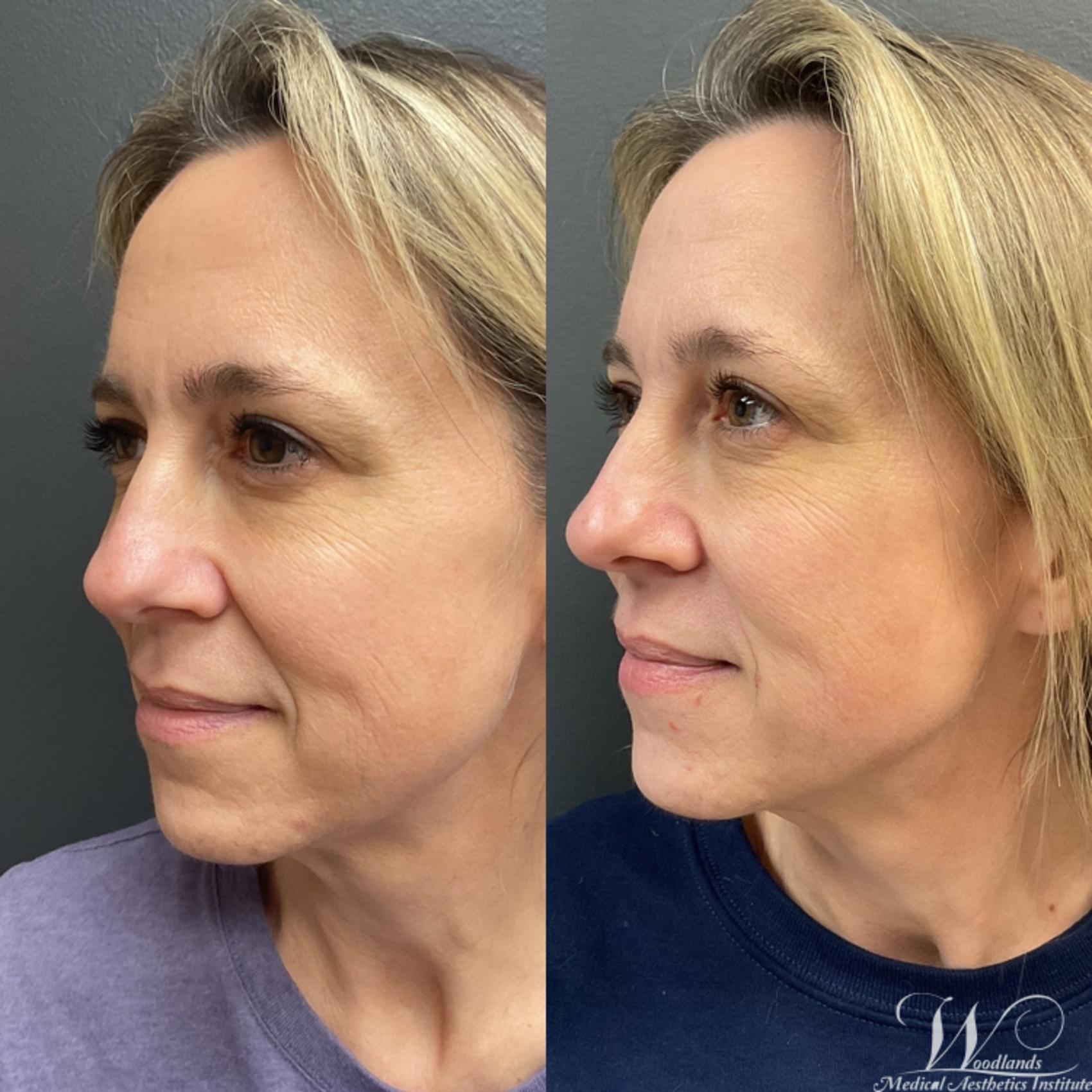
Expected outcomes from Ultherapy typically include a visible lifting and tightening up of the skin, with outcomes becoming much more noticeable in time as collagen production boosts. Many clients report visible renovations within a couple of months post-treatment, with perfect outcomes frequently seen around six months. The non-invasive nature of Ultherapy adds to its charm, as it commonly requires minimal downtime.
Individuals might experience light swelling, redness, or tenderness in the dealt with areas, but these side impacts normally settle quickly. Most individuals can resume their normal activities promptly after the treatment.
While the long life of outcomes varies, impacts can last as much as a year or longer, depending upon private skin disease and aging processes. Regular follow-up sessions might aid maintain the wanted outcomes, boosting the overall efficiency of the treatment.
That Is a Great Prospect for Ultherapy?
Determining who is a good prospect for Ultherapy involves taking into consideration several factors. The optimal age variety normally drops in between 30 and 65, while skin type and any hidden health and wellness conditions likewise play essential roles in eligibility. Recognizing these requirements can aid individuals assess whether Ultherapy is an ideal choice for them.
Suitable Age Variety
Ultherapy is most efficient for individuals in their 30s to 60s who are beginning to observe indicators of aging, such as drooping skin or loss of flexibility. This age array typically represents a transition stage where the skin's natural collagen production starts to decline, making it an optimal time to review non-surgical training alternatives. Candidates in their 30s may seek Ultherapy as a preventative procedure, while those in their 40s to 60s usually aim to resolve extra obvious indications of aging. Significantly, Ultherapy is not limited to a details group; both males and ladies can benefit. Ultimately, the best prospects are those that desire subtle lifting and tightening without the requirement for invasive treatments.
Skin Kind Factors To Consider
People taking into consideration Ultherapy must take their skin type into account, as it plays a substantial duty in treatment performance. Normally, those with skin that shows signs of aging, such as drooping or laxity, are prime candidates. Ultherapy is specifically beneficial for people with fair to medium complexion, as the ultrasound energy targets much deeper layers without harming the surface. Alternatively, individuals with darker skin types might face a greater risk of coloring adjustments. Furthermore, skin texture and elasticity are vital factors; those with more resistant skin may see better results. Ultimately, an appointment with a qualified copyright can aid establish viability based on certain skin features, making sure a tailored approach for finest results.
Wellness Conditions Affecting Qualification
Qualification for Ultherapy can be influenced by numerous health conditions that may affect the skin and general health. Prospects with specific skin conditions, such as energetic acne, eczema, or psoriasis, may not be appropriate, as these conditions can conflict with the treatment's performance and security. Additionally, individuals with a background of current facial surgical procedures or those who have gotten injectable fillers in the targeted locations might need to wait before going through Ultherapy. People with certain medical conditions, like autoimmune diseases or serious persistent illnesses, ought to likewise seek advice from with their doctor to establish their viability. Inevitably, a detailed pre-treatment assessment is important to ensure the very best outcomes and to recognize any prospective risks linked with the procedure.
Cost and Considerations for Ultherapy Therapy
Understanding the cost of Ultherapy therapy is crucial for potential candidates. Prices can differ based upon aspects such as area and the degree of therapy called for. In addition, financing options may be offered to help manage the expenditure.
Therapy Prices Introduction
Cost is a considerable element when taking into consideration Ultherapy therapy, as rates can vary commonly relying on several components. Elements affecting the price consist of the treatment area, the service provider's experience, and geographic area. Generally, sessions can vary from $1,000 to $4,500, with bigger locations or more considerable therapies commanding greater fees. Furthermore, the variety of sessions needed for optimal results can influence general expenses (Skin tightening treatment KL). It is crucial for prospective individuals to consult with licensed professionals to receive tailored quotes based upon their distinct needs. Openness in prices is vital, as surprise costs or attachments may affect the total price. Recognizing these variables can aid people make educated choices regarding their Ultherapy treatment choices
Financing Options Available
While taking into consideration Ultherapy treatment, several RJ Clinic Ultherapy potential people explore funding alternatives to manage their costs properly. Various centers provide layaway plan that permit patients to spread the expense over numerous months, making the treatment much more accessible. Some facilities companion with third-party financing companies, providing options such as low-interest financings and even interest-free periods. On top of that, versatile spending accounts (FSAs) or health and wellness interest-bearing accounts (HSAs) may be made use of to cover costs, depending on private situations. People are motivated to ask about possible price cuts for upfront payments or promotional offers that may be offered. Recognizing these funding choices can aid possible individuals make notified decisions concerning their Ultherapy treatment while alleviating the economic problem connected with this procedure.
Regularly Asked Inquiries
How much time Do the Outcomes of Ultherapy Usually Last?
The duration of Ultherapy results varies, normally lasting between six months to 2 years (Non surgical facelift Malaysia). Variables affecting longevity include specific skin kind, aging procedure, and upkeep treatments, which can improve and prolong the results of the procedure

Can Ultherapy Be Integrated With Various Other Treatments?
Ultherapy can undoubtedly be integrated with other therapies, such as fillers and neurotoxins. This combination strategy frequently enhances general outcomes, offering a more complete rejuvenation impact while attending to numerous skin worries all at once.
Is Ultherapy Safe for All Skin Types?
Ultherapy is typically thought about risk-free for various skin kinds, but private outcomes may differ. Consulting a certified specialist is vital to figure out viability, as skin problem and sensitivity can affect treatment end results and security.
What Are the Prospective Negative Effects of Ultherapy?
The prospective side results of Ultherapy may include short-term inflammation, swelling, inflammation, or pain in dealt with areas. Some individuals may additionally experience small bruising or a prickling sensation, although these effects normally deal with quickly.
The Number Of Ultherapy Sessions Are Normally Needed for Ideal Outcomes?
Commonly, people call for one to three Ultherapy sessions for perfect outcomes. The exact number might vary based upon skin condition and wanted results, with many experiencing visible enhancements after a solitary therapy. Regular assessments might assist further sessions.